Lomandra (e.g., 'Tanika')
A tough, drought-tolerant Australian native grass-like plant used in mass landscaping for erosion control, habitat, and as a low-maintenance ornamental.
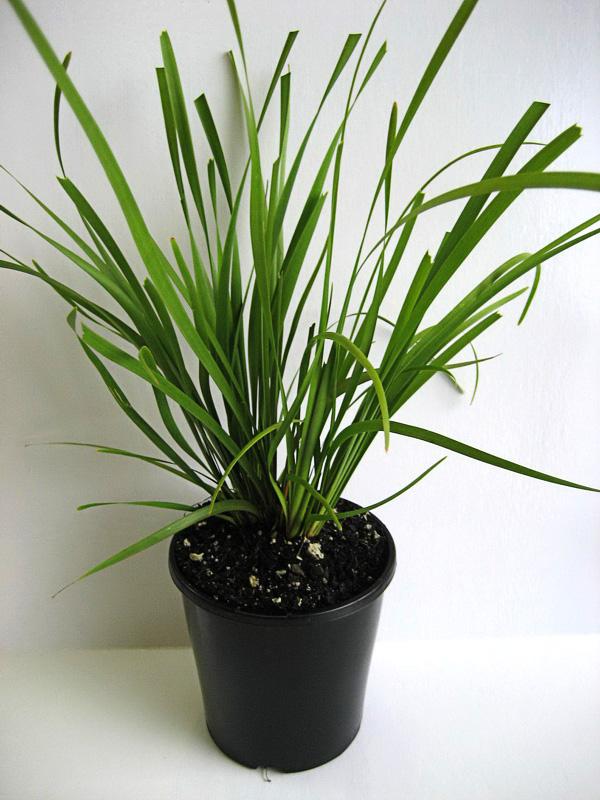
Habit
Perennial Grass-like
Height
0.5-1 m
Growth
Moderate
Soil
Adaptable, Well-drained
Shade
Full Sun to Full Shade
Moisture
Low, Drought-tolerant
Edible
No
Medicinal
Yes
Origin
Australia
Climatic Condition
Temperate to Subtropical
Temperature (°)
5–35°C
Humidity (%)
Adaptable
Potting media
Sandy Loam
Fertilizers
Low-Phosphorus
Watering
Infrequent once established
Plant Weight
2-5 Kg
Flowering Time
Spring
Soil Ph level
5.5–7.5
Water Ph level
6.0–7.5
Soil EC
0.5-1.5
Yield Per Plant
N/A
NPK ratio
15:02:10
life Span
Perennial
Health Benefits
Erosion control, habitat for wildlife, low-allergen landscaping.
Suggested Grow Media or Potting Mix ?
60% native sandy soil, 30% compost, 10% gravel for drainage.
Suggested Fertigation/Fertilizers
Light application of a native plant or low-phosphorus fertilizer in spring.Common Diseases and Remedies
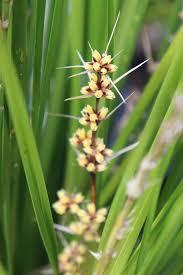
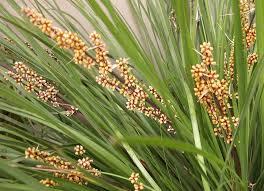
root rot, leaf spot, rust, crown rot, aphids and spider mites
yellowing or browning leaf tips, wilting, soft or decaying crown, brown or black leaf spots, orange-rust pustules, reduced vigor, fine webbing or small insects
improve soil drainage and avoid waterlogging, remove affected foliage, increase air circulation, apply neem oil or insecticidal soap for pests, use sulfur or baking-soda spray for rust, maintain proper spacing