Echeveria elegans
Rosette succulent with blue-green leaves
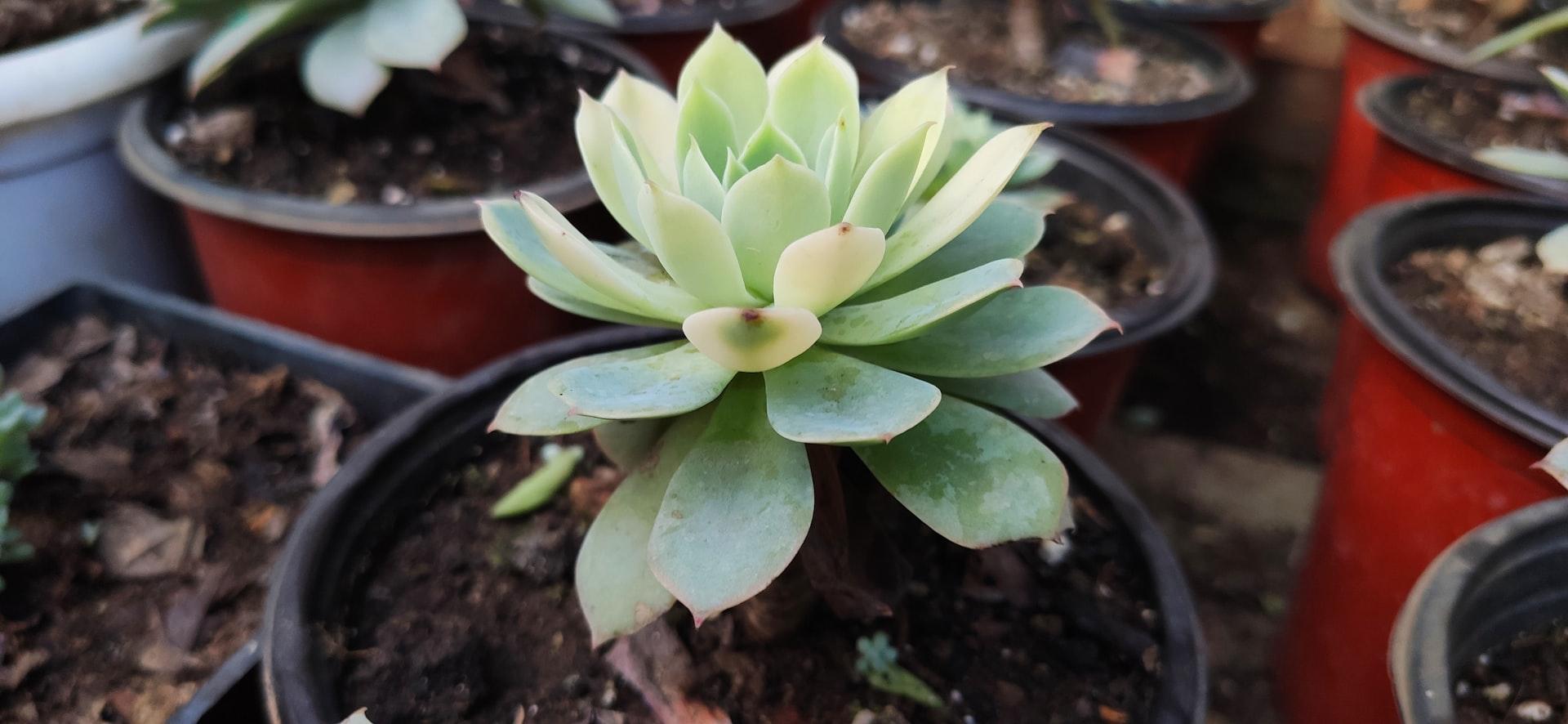
Habit
Perennial succulent
Height
0.15–0.3 m
Growth
Slow
Soil
Sandy well-drained
Shade
Full sun
Moisture
Low
Edible
No
Medicinal
No
Origin
Mexico
Climatic Condition
Arid
Temperature (°)
15–30
Humidity (%)
30–50%
Potting media
Sand+Soil
Fertilizers
Low NPK
Watering
Sparse
Plant Weight
0.5–1 kg
Flowering Time
Spring
Soil Ph level
6.0–7.5
Water Ph level
6.5–7.5
Soil EC
Low
Yield Per Plant
Offsets
NPK ratio
5:10:10
life Span
5-7 yrs
Health Benefits
Stress relief
Suggested Grow Media or Potting Mix ?
70% sand, 30% soil
Suggested Fertigation/Fertilizers
Quarterly
Fertilize every 3 weeksCommon Diseases and Remedies
root and stem rot, powdery mildew, leaf spot, fungal blight, mealybugs, aphids and spider mites
yellowing or translucent leaves, soft or mushy stems and roots, leaf drop, white powdery growth on foliage, brown or black leaf spots, stunted growth, cottony masses and fine webbing
use a very fast-draining cactus mix and avoid overwatering, allow soil to dry completely between watering, remove and destroy infected leaves, improve light and air circulation, apply neem oil or insecticidal soap for pests, use sulfur spray for powdery mildew